End of Tenancy Cleaning in SE18: A Practical, SEO-Friendly Approach to Getting Your Deposit Back
Moving out of a rented property can feel like a race against time, especially when you are trying to balance removals, paperwork, packing, and the final inspection. For tenants, landlords, and letting agents in SE18, end of tenancy cleaning in SE18 is one of the most important tasks before handing back the keys. A spotless property does more than look good; it helps reduce disputes, supports a smoother checkout, and improves the chances of recovering the full deposit.
Whether you are leaving a flat near Woolwich, a family home close to Plumstead, or a modern apartment in the Royal Arsenal area, the expectations are usually high. Most tenancy agreements require the property to be returned in the same condition as it was at the start, allowing for fair wear and tear. That is why tenancy cleaning in SE18 needs to be done carefully, methodically, and with attention to detail.
In this article, we will look at what end of tenancy cleaning involves, why it matters, what areas should be cleaned, how to plan the work, and how to avoid common mistakes. If you want to make moving day less stressful and improve your chances of a smooth final check, book your service now or arrange your cleaning plan early.
Why End of Tenancy Cleaning in SE18 Matters

End of tenancy cleaning in SE18 is not just about tidiness. It is a detailed deep clean intended to bring the property back to a high standard before the inspection. In many cases, landlords and agents use a move-out checklist, so missing a few critical spots can lead to deductions. A thorough clean helps protect the tenant’s deposit and keeps the property ready for the next occupant.
SE18 includes a mix of property types, from older terraced homes to new-build developments. That means cleaning needs can vary a lot. Some homes may have built-up grease in kitchen extractor fans, while others may have limescale on bathroom fittings or marks on painted walls. A tailored approach to SE18 end of tenancy cleaning is often the best way to cover every detail.
There is also a time-saving benefit. When you are moving out, the last thing you want is to spend hours scrubbing ovens, wiping skirting boards, and cleaning behind appliances. Professional-style end of tenancy cleaning SE18 solutions, or an organised self-clean, can make the process much easier and less overwhelming.
What Is Included in End of Tenancy Cleaning?
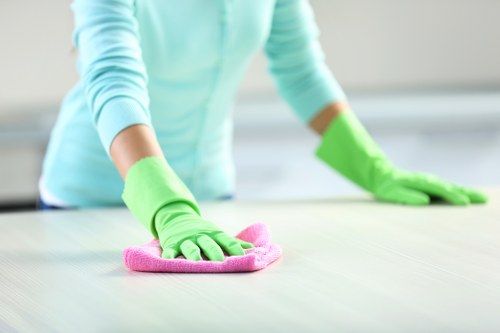
End of tenancy cleaning in SE18 usually goes far beyond a standard weekly clean. It is more detailed and focuses on every room, fixture, and fitting. The goal is to remove grime, dust, stains, and residues that may have built up during the tenancy.
Although requirements can vary by property and tenancy agreement, a proper tenancy cleaning SE18 service or checklist often includes the following:
- Deep kitchen cleaning, including cupboards, worktops, sinks, splashbacks, and appliances
- Bathroom sanitising, including toilets, baths, showers, glass screens, and tiles
- Dusting and wiping all reachable surfaces
- Vacuuming and mopping floors
- Cleaning doors, handles, light switches, and skirting boards
- Removing cobwebs and dust from corners and ceilings
- Washing internal windows and ledges
- Cleaning wardrobes, drawers, and storage units
In some cases, extra tasks may be needed, such as carpet cleaning, upholstery cleaning, or mould treatment. End of tenancy cleaning SE18 is most effective when the cleaning plan matches the condition of the property and the expectations in the tenancy agreement.
It is worth remembering that move-out cleaning is often judged visually but also by touch. Sticky handles, greasy cupboards, and dusty shelves can all create the impression that the home has not been cleaned properly, even if it looks acceptable at first glance.
Rooms That Need the Most Attention

Every room deserves attention, but some areas usually carry more risk during the final inspection. If you are doing end of tenancy cleaning in SE18, these are the places where landlords and letting agents often look first.
Kitchen
The kitchen is usually the most time-consuming part of SE18 end of tenancy cleaning. Grease, food residue, and daily use can leave cupboards, ovens, and splashbacks in poor condition. Ovens are especially important because they are one of the most commonly inspected items. If the oven is burnt-on, greasy, or smoky, it can become a major issue during checkout.
Pay close attention to:
- Inside and outside of cupboards
- Oven trays, racks, and interior walls
- Fridge and freezer shelves
- Extractors and filters
- Sink drains and taps
- Worktops and corners
Bathroom
The bathroom should be sanitised and free from soap scum, limescale, and mould. In many SE18 properties, hard water can create visible deposits on taps, shower screens, and tiles. A proper end of tenancy cleaning SE18 routine should include descaling, disinfection, and polishing where necessary.
Living Areas and Bedrooms
These rooms may seem easier, but they still need careful attention. Dust on skirting boards, marks on walls, and dirt around radiators can all be noticed during inspection. For tenancy cleaning in SE18, do not ignore these smaller details because they are often the difference between a pass and a deduction.
How to Plan Your End of Tenancy Cleaning in SE18
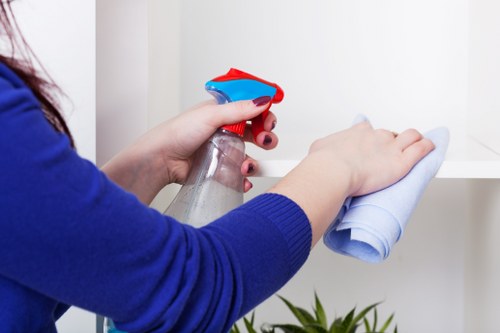
A successful end of tenancy cleaning in SE18 starts with a clear plan. If you leave everything until the final day, the pressure increases and corners are more likely to be missed. A structured approach makes the work manageable and reduces the risk of delays during the move.
Start by reviewing your tenancy agreement. Some contracts require professional cleaning, while others simply expect the property to be returned in a clean and presentable state. If a professional clean is not required, you can still follow a professional-level checklist to achieve similar results.
Next, create a room-by-room cleaning schedule. This is especially useful if you are handling SE18 end of tenancy cleaning yourself. Break the work into smaller tasks and complete the most difficult areas first, such as the oven, bathroom fittings, and storage spaces. That way, even if time runs short, the most challenging parts are already done.
Recommended Planning Steps
- Declutter and remove all personal belongings
- Defrost the freezer if needed
- Gather cleaning products and equipment
- Work from top to bottom in each room
- Leave floors until last
- Inspect the property under good lighting
Using this method for end of tenancy cleaning SE18 helps you stay organised and ensures nothing gets forgotten. It also gives you time to deal with stubborn marks or stains before the final handover.
Professional End of Tenancy Cleaning vs DIY Cleaning

One of the biggest decisions tenants face is whether to hire professionals or do the work themselves. Both options can work, but the best choice depends on time, budget, and the condition of the property. For busy households, end of tenancy cleaning in SE18 is often easier to manage with trained cleaners who already know what landlords expect.
Benefits of Professional Cleaning
Professional teams bring experience, equipment, and a systematic process. They often clean faster and more thoroughly than a standard household routine. For larger homes or properties with significant buildup, tenancy cleaning SE18 from professionals can save time and reduce stress.
- Deep cleaning expertise
- Access to specialist products and tools
- Better results on stubborn stains and grease
- Less physical effort for tenants
- More confidence before the final inspection
Benefits of DIY Cleaning
DIY cleaning may suit tenants who want to control costs and are confident in their cleaning ability. If the property is already in good condition, a carefully planned self-clean may be enough. However, end of tenancy cleaning SE18 done without proper tools can take much longer and may not achieve the same standard in difficult areas.
In either case, the key is to match the cleaning effort to the property’s condition. If the place needs deep attention, a professional approach may be the smarter long-term decision.
Common Mistakes to Avoid During SE18 End of Tenancy Cleaning
Even well-intentioned tenants can make mistakes that lead to deductions. When carrying out end of tenancy cleaning in SE18, avoiding these errors can save time, money, and frustration.
1. Ignoring Hidden Areas
Behind appliances, under beds, inside drawers, and on top of cupboards are easy to miss. Yet these areas often collect dust and debris. A proper move-out clean should include places that are not visible at first glance.
2. Forgetting Appliances
Microwaves, fridges, ovens, washing machines, and dishwashers must be cleaned inside and out. Leaving food residue or odours can quickly undermine otherwise good SE18 end of tenancy cleaning.
3. Using the Wrong Products
Some surfaces need gentle cleaners, while others may need descaling or degreasing products. Using the wrong product can damage paint, wood, or glass. Always check labels and test products on a small area when unsure.
4. Leaving Cleaning Too Late
Time pressure is one of the biggest causes of poor results. Start early enough to allow for deep cleaning, drying time, and a final inspection. If needed, spread end of tenancy cleaning SE18 over several days.
5. Not Documenting the Property Condition
Before and after photos can be helpful in case there is any disagreement. While this is not part of the cleaning itself, it supports a smoother handover and can help prove that the property was left in good condition.
Why SE18 Properties Benefit from Local Cleaning Expertise
Local knowledge can make a real difference when it comes to end of tenancy cleaning in SE18. The area has a wide mix of older homes, modern developments, and high-traffic rental properties, which means cleaning requirements can vary significantly. A local cleaner or local-focused cleaning plan is more likely to understand these differences.
For example, homes near busy roads may collect more dust, while riverside properties may deal with extra moisture or condensation. Flats with hard water areas can develop more limescale, and family homes often need more attention in kitchens, hallways, and high-use bathrooms. These details matter when preparing for a final inspection.
Choosing an approach built around tenancy cleaning in SE18 also helps with scheduling. When moving house, timing is everything. A local service or locally informed strategy can better fit around collection times, removals, key handovers, and final access to the property.
What Local Experience Can Improve
- Understanding of common landlord expectations
- Awareness of property styles in the area
- Better planning for access and timing
- More efficient cleaning of common problem areas
End of Tenancy Cleaning Checklist for SE18 Tenants
Using a checklist is one of the easiest ways to stay on track. It helps you see progress and ensures the property gets the full attention it needs. Here is a practical end of tenancy cleaning SE18 checklist you can adapt to your home:
Kitchen Checklist
- Clean inside and outside cupboards
- Degrease cooker hood and filters
- Clean oven, hob, and splashback
- Wipe fridge, freezer, and dishwasher
- Clean sink, taps, and drains
- Remove stains from worktops
Bathroom Checklist
- Scrub toilet, bath, and shower
- Remove limescale from taps and glass
- Clean mirrors and tiles
- Wipe cabinets and shelves
- Disinfect surfaces and handles
Living Areas Checklist
- Dust all surfaces and furniture
- Vacuum carpets and rugs
- Clean skirting boards and doors
- Wipe light switches and sockets
- Clean windows and sills
Final Checks
- Empty all bins
- Remove all personal items
- Check cupboards, drawers, and storage areas
- Look for stains, scuffs, and missed dust
- Ventilate the property after cleaning
This checklist is especially useful for end of tenancy cleaning in SE18 because it helps ensure nothing is forgotten during a stressful move.
How End of Tenancy Cleaning Supports a Smooth Checkout
The final inspection, also called the checkout, is the moment when the property condition is assessed. If the home is cleaned properly, this stage becomes much less stressful. A thorough SE18 end of tenancy cleaning can make the handover faster and reduce the risk of arguments over cleanliness.
Checkout inspections usually focus on whether the property is clean, undamaged, and returned in line with the original inventory. If you have followed a detailed end of tenancy cleaning in SE18 plan, the chances of receiving positive feedback from the landlord or agent improve significantly.
It is also useful to allow time for drying and airing out the property. Freshly cleaned surfaces, especially bathrooms and kitchens, should have time to dry before inspection. This helps the property look better and avoids a damp or unfinished appearance.
Simple Checkout Tips
Before the inspection: open windows briefly, remove cleaning equipment, and do a final walk-through with a checklist. These small steps can make a big difference.
After the inspection: keep records of what was cleaned and any issues raised. This can help if any follow-up is needed.
When to Book End of Tenancy Cleaning in SE18
Timing matters. The best time to arrange end of tenancy cleaning in SE18 is usually after most belongings have been removed but before the final inspection. That gives you full access to all areas and makes it easier to clean thoroughly.
If you are using a professional service, book early enough to secure your preferred slot. End of month and weekend appointments can fill up quickly, especially in busy rental areas. Planning ahead also gives you time to sort out any maintenance issues, such as broken fixtures or wall marks, before the tenancy ends.
For tenants who are cleaning themselves, start with the least-used rooms and finish with the kitchen and bathroom. This method helps prevent re-soiling and ensures the most difficult spaces are tackled when energy levels are still high. Whether you are doing it yourself or using specialists, tenancy cleaning SE18 should be scheduled strategically.
Final Thought
If you want to make moving out easier, reduce stress, and improve your chances of a full deposit return, end of tenancy cleaning SE18 should be treated as a priority rather than an afterthought. A clean property reflects care, organisation, and respect for the next resident.
Contact us today to arrange your clean, or book your service now and take one major task off your moving checklist. With the right preparation and attention to detail, end of tenancy cleaning in SE18 can be a smooth, efficient, and worthwhile process.